The book
One System
How relationships based on trust and a shared purpose transformed Canterbury’s health system, a view from inside one of the most-studied health system transformations of the last two decades.
About
Not a blueprint. An account of what it actually takes.
This book emerged from lived experience rather than theory. When the authors became involved in the Canterbury Health System’s journey, it was in response to a system under immense strain - clinically capable, full of committed people, yet fragmented and struggling to meet the needs of the population it served.
What followed over the next twelve years was not a grand plan or a single reform, but a long, often uncertain journey of learning to work differently as a single system. It unfolded under constant pressure: rising demand, limited resources, public scrutiny and repeated external shocks, in one of the largest and most complex organisations in the country.
Along the way, they learned that sustainable transformation does not come from control, targets or heroic leadership. It comes from trust, relationships, shared purpose and a relentless focus on what matters most to the people using the system. Many of the changes that endured were not designed in advance; they emerged through clinical leadership, honest conversations and strong partnerships across public and private organisations, primary and secondary care, community providers and NGOs.
This book is not a blueprint. It reflects on what it takes to create conditions where change can take hold and last, especially in complex systems under pressure.
Who it is for
For anyone trying to change a system that no single person or organisation controls
One System is for people who:
- Are responsible for outcomes they cannot achieve through their organisation alone.
- Need to bring together people and organisations with different priorities, incentives and accountabilities.
- Are trying to shift a system from fragmented activity towards a shared purpose.
- Must lead change through influence, trust and relationships, not simply through authority.
- Face constant pressure to restructure, impose more targets or tighten control, yet know that lasting change requires something deeper.
- Want to turn strategy into thousands of practical changes in how people work every day.
- Need change to endure through leadership transitions, political shifts, financial pressure and unexpected crises.
Grounded in the transformation of a health system, the lessons extend far beyond healthcare. This is a book for executives, governors, professionals, policymakers, community leaders and change-makers working wherever outcomes depend on people acting as part of a system rather than as separate organisations.
Extract
From the Preface
Reproduced from the author proofs. © David Meates and Carolyn Gullery.
That journey unfolded under constant pressure. Leaders at every level - clinicians, managers, executives and partners across the system - were working in an environment of rising demand, limited resources, public scrutiny and repeated external shocks. In that context, the tendency toward short-term fixes, visible interventions and narrow targets was always present.
Along the way, we learned that sustainable transformation does not come from control, targets or heroic leadership. It comes from trust, relationships, shared purpose and a relentless focus on what matters most to the people who are using the system.
Leadership matters most when it creates the conditions for others to lead. Executives and boards play an important role in setting direction and maintaining purpose. Still, the real work of change occurs in clinics, wards, general practices, offices and communities, where decisions are made every day in the service of care. Health is a major enterprise, but it is also a deeply human one: the business of caring for people when they are at their most vulnerable.
Above all, this story belongs to the many people across the system who showed courage, humility and persistence over a long period of time. Any success described here is theirs.
A note on style
Because so many people contributed to this transformation, we have avoided references to single individuals. Where readers might expect a name, terms like ‘the system’ or ‘Canterbury’ appear instead.From the authors’ note on style and referencing
Extract
From the Afterword
Reproduced from the author proofs. © Graham Scott.
I have followed the Canterbury Way for many years and observed its evolution from several vantage points. What makes this story remarkable is not simply the scale of the change but the way it happened: through a deep cultural transformation, from hierarchy to a connected network built on trust, empowerment, communication and shared purpose.
Canterbury set about breaking through those barriers more deliberately than most. It did so partly from conviction, but also from necessity … What followed was not a technical bolt-on, nor a restructuring strategy in disguise. It was a social transformation among thousands of people who redirected their attention away from organisational cages and data-free spaces and towards a network of changed relationships focused on clear, system-wide health goals.
The Canterbury Way does not propagate easily. Its visible artefacts, such as HealthPathways, are valuable, but the real lesson lies in how they were developed and continuously revised: locally, relationally and with clinicians leading the work. Without that foundation, the tools alone cannot reproduce the transformation.
This book will naturally appeal to people interested in health systems and allied services. But its lessons extend much further, to public policy, social services and public sector management more generally. It is a powerful reminder that enduring system change is not primarily technical or structural. It is social, built through relationships, trust and a shared commitment to what matters most.
Illustrated throughout
The system, as it was drawn at the time
Canterbury did much of its thinking in pictures. Rather than reproduce strategy documents, the book carries the artwork the system actually used - the illustrations, graphic recordings, campaign material and diagrams that thousands of people saw on walls, in workshops and across the city.
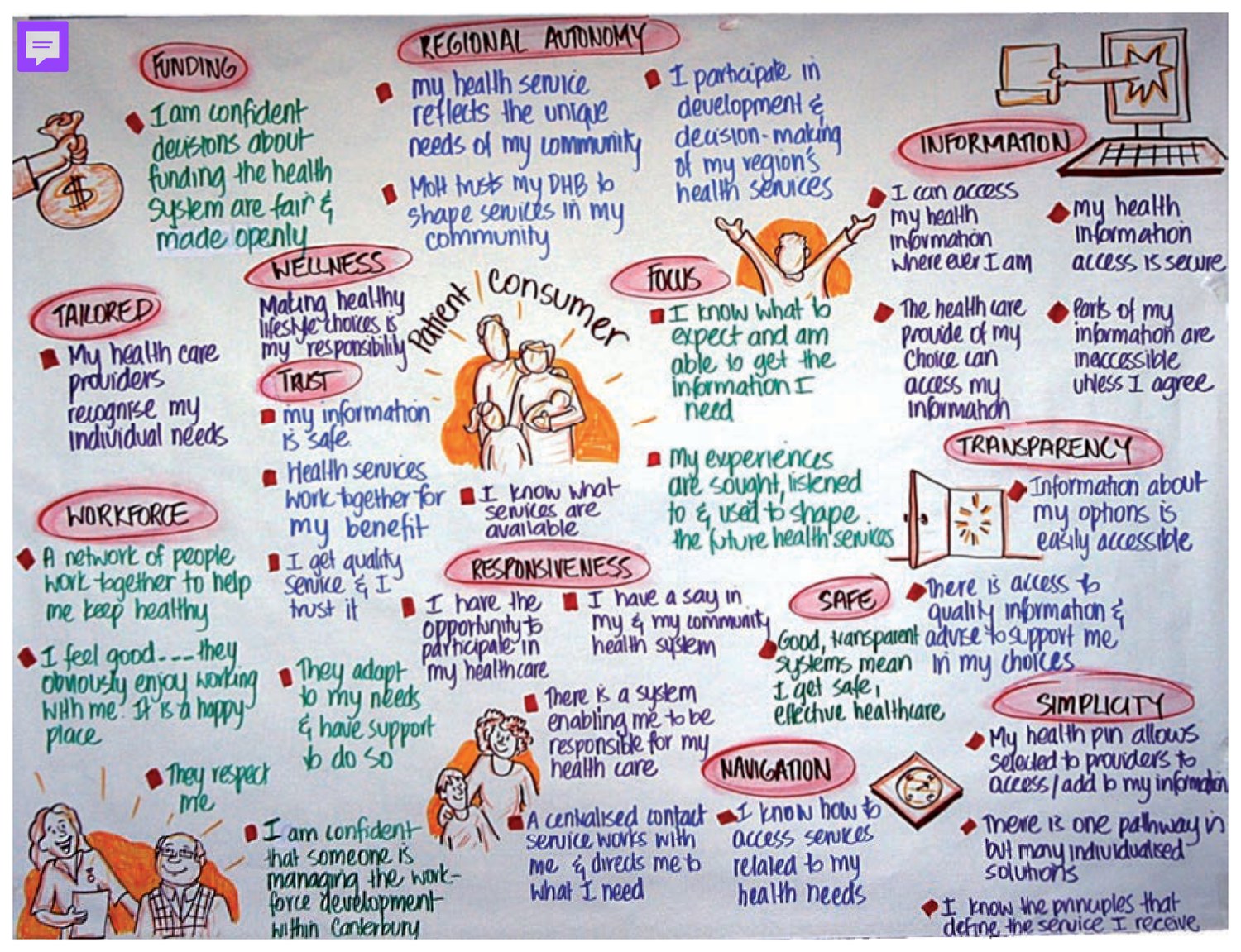
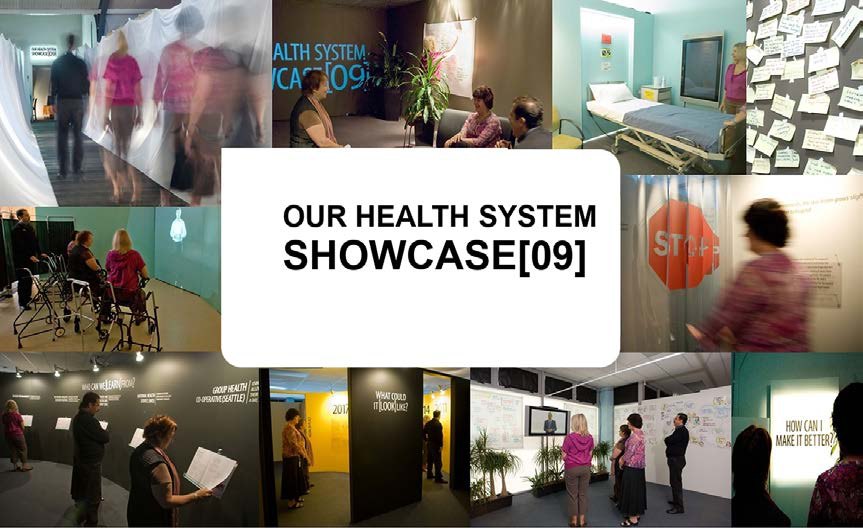
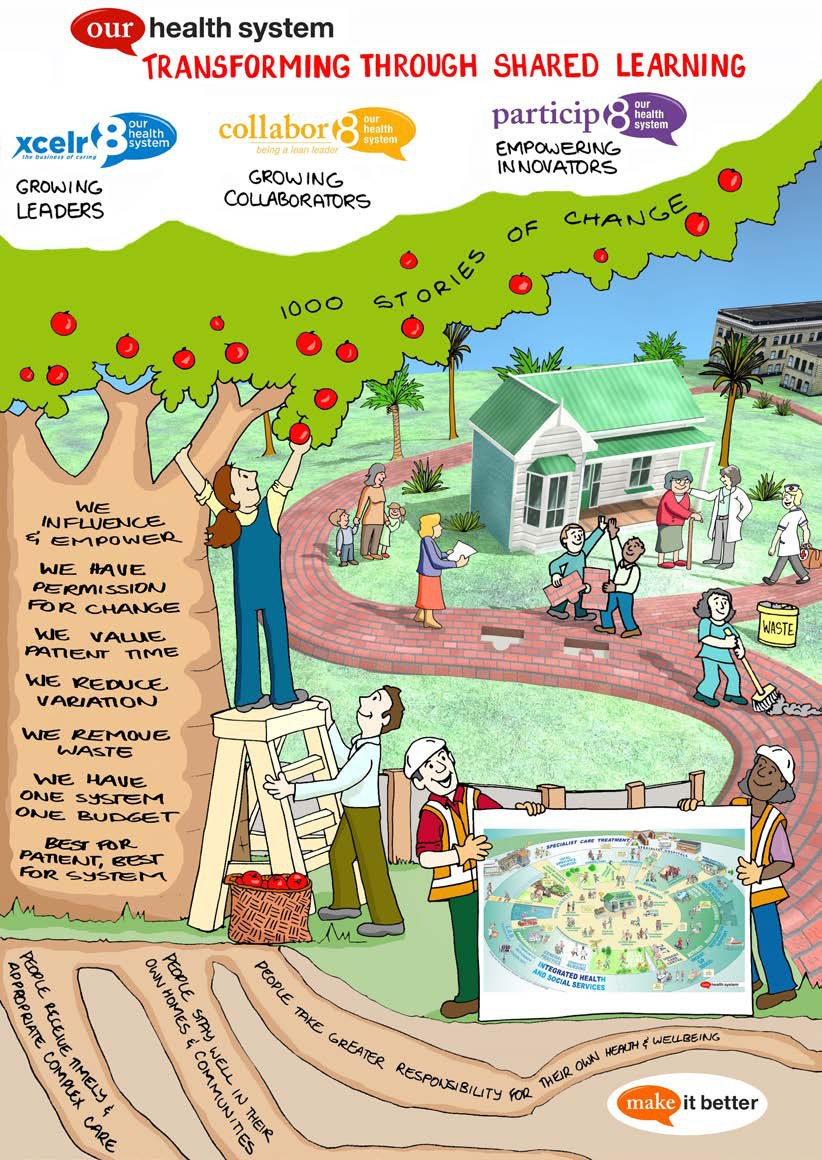
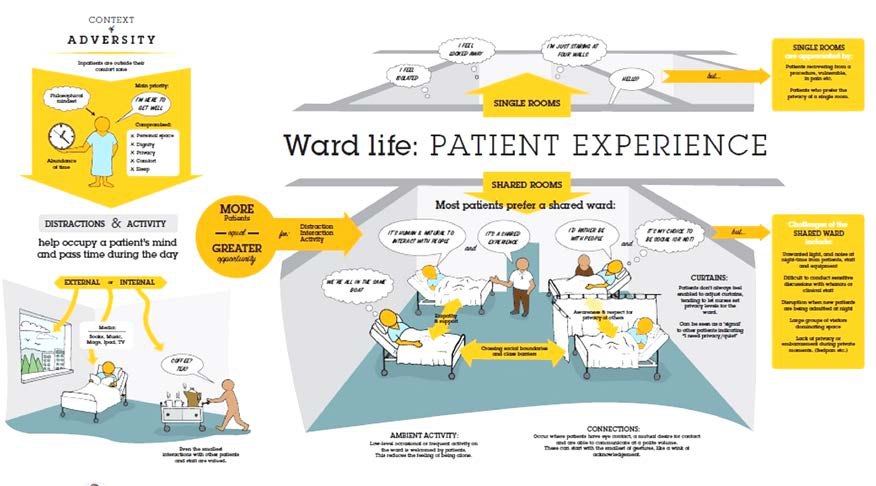
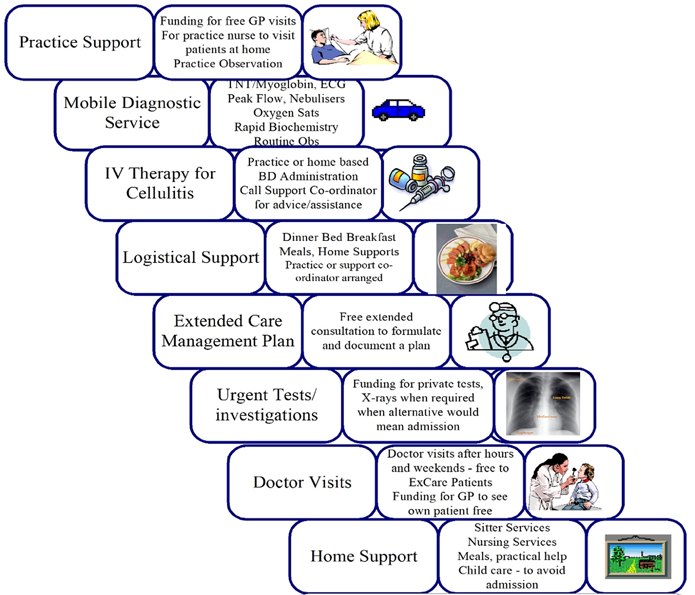
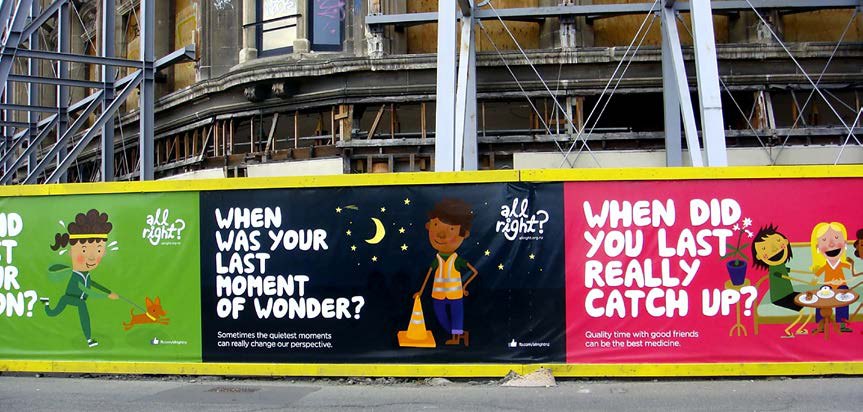
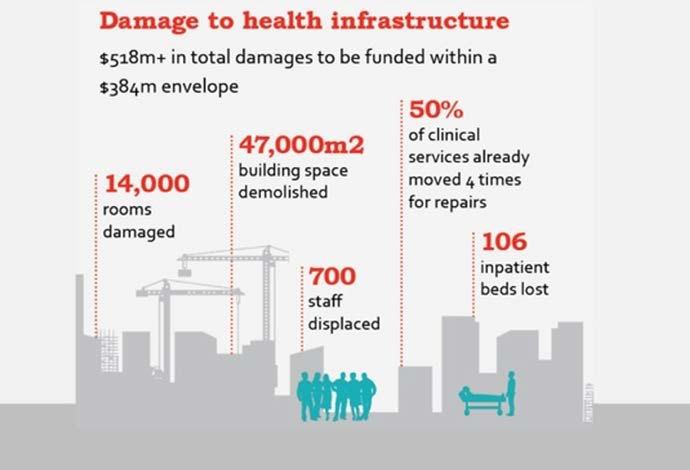
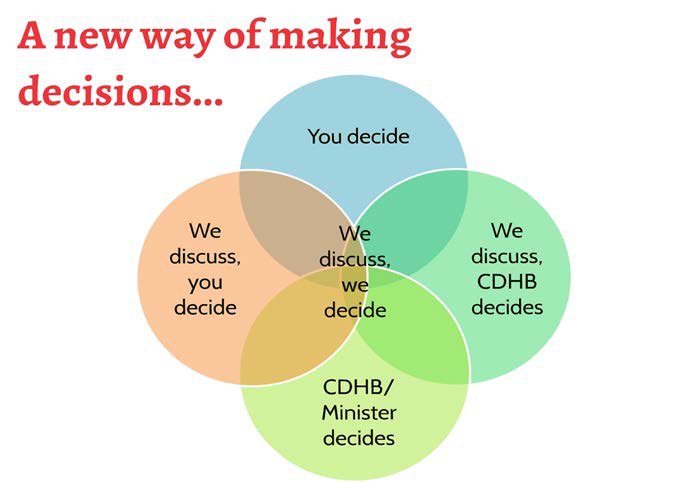
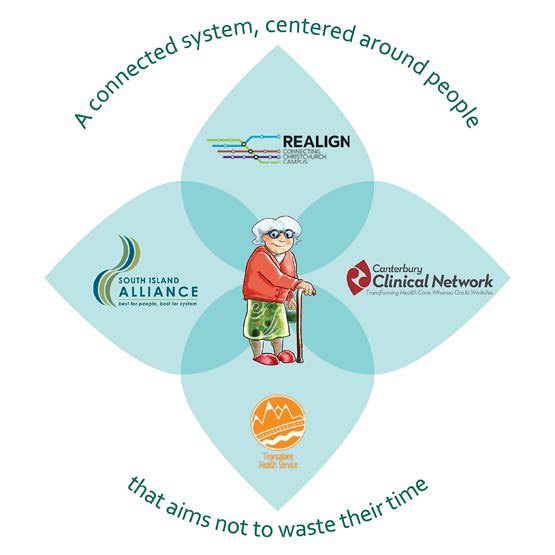
Unless attributed otherwise, images are sourced from Canterbury District Health Board records, project documentation, publications, presentations or commissioned artwork. The illustrations were commissioned and funded by Canterbury DHB as part of its transformation programme and created by Brendon Wright (The Cartoonist). Canterbury DHB was disestablished in 2022 and its copyright is now vested in Te Whatu Ora Health New Zealand.
Publication
Forthcoming from Canterbury University Press
The manuscript is complete and in production. Publication date, ISBN and pre-order links will be published here as soon as they are confirmed.